AI Image Generation
Text-to-Image vs. Image-to-Image: Two Completely Different Things
Using Alice (an AI Agent desktop app) as an example: for the same request "generate an image of Alice in a study," having vs. not having a reference image makes a world of difference in output quality. This is the first decision every product manager must understand when designing an image-generation feature.
Two Modes, Illustrated with Alice
Text-to-Image (T2I)
Input: Text only
"Alice reading in a study, warm lighting, bookshelf background, blue dress and white apron"
Model generates from imagination
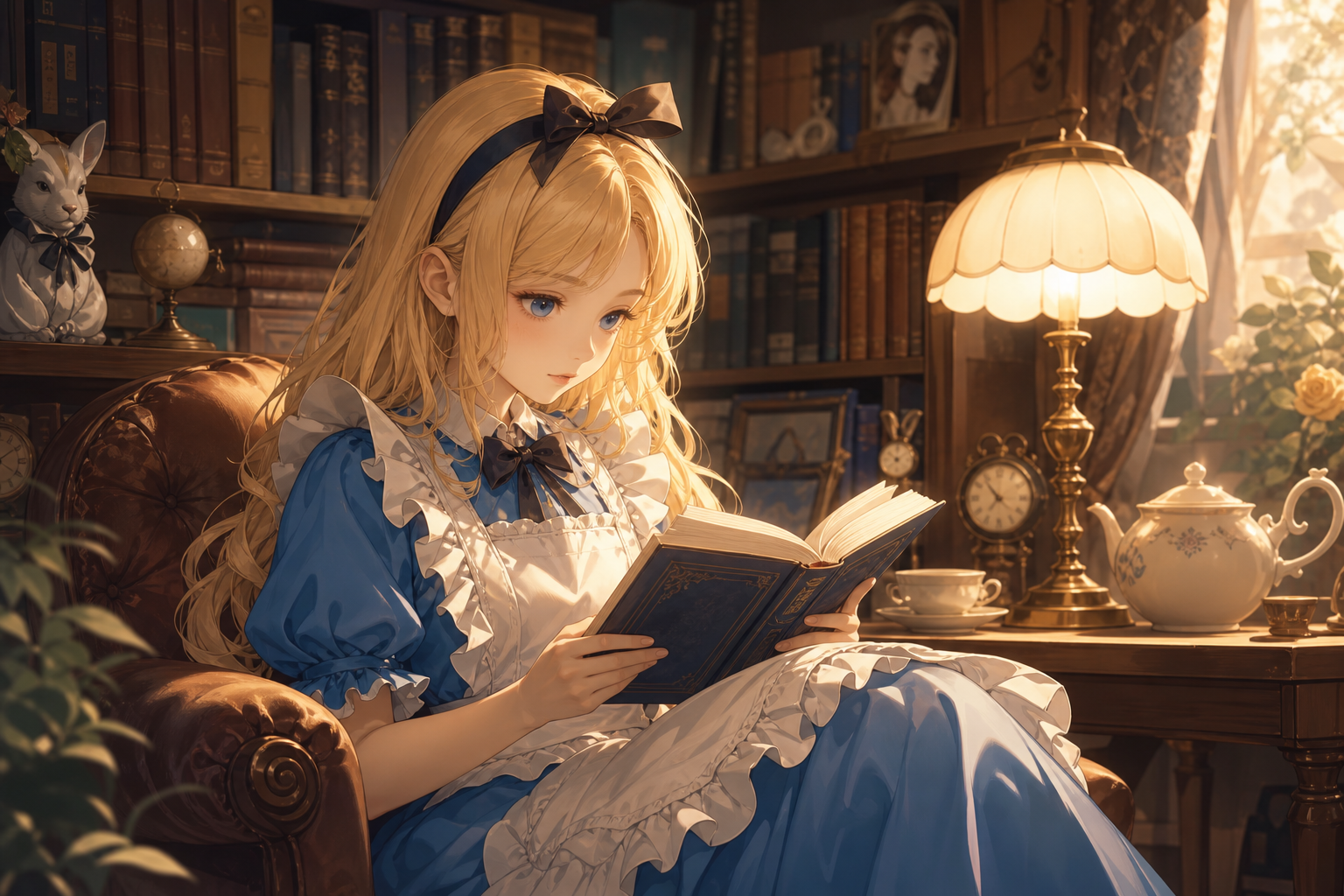
Model generates from the text description, but what Alice looks like each time is completely random
Image-to-Image (I2I)
Input: Reference image + Text
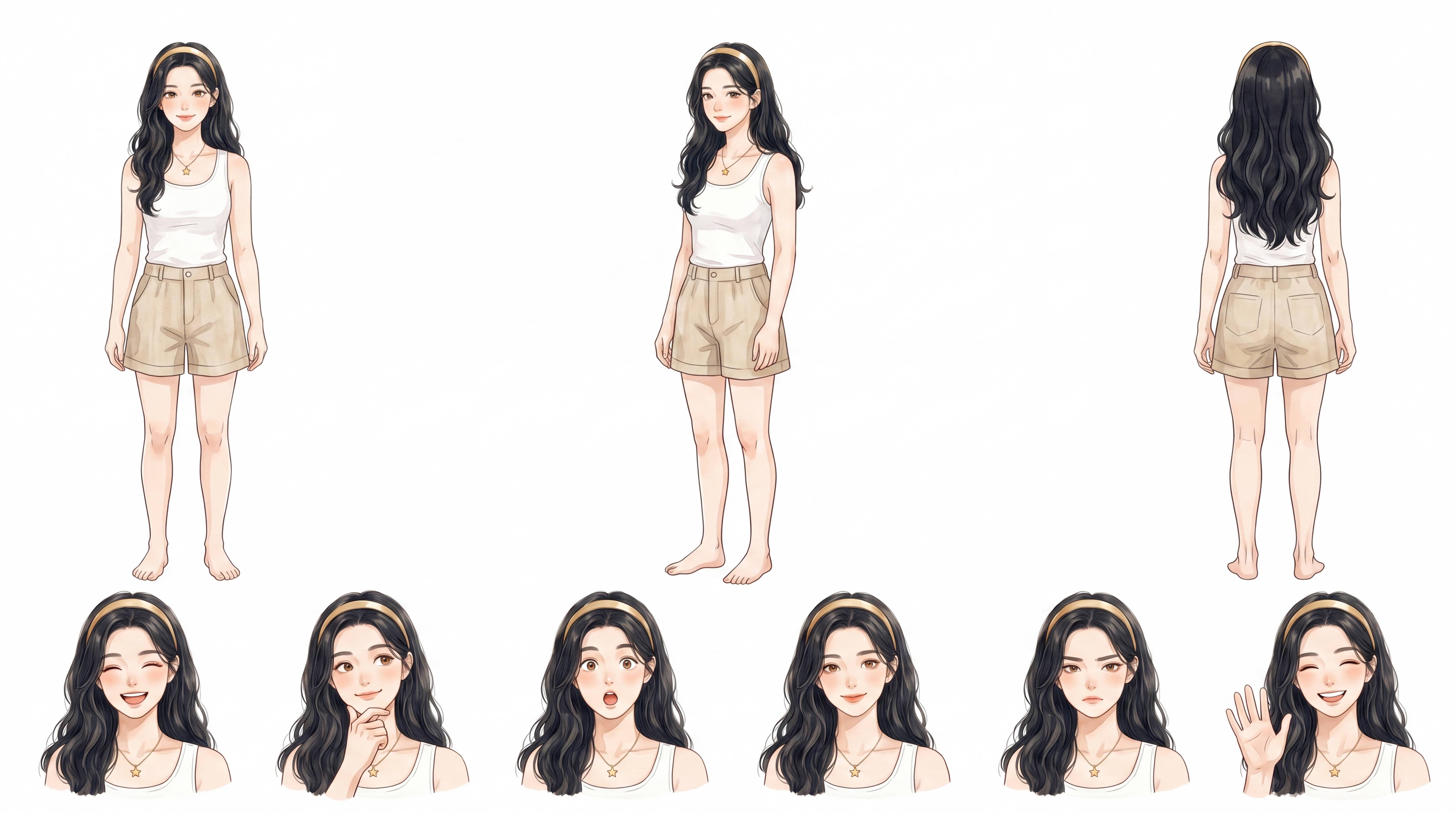
Reference image + "Alice working in a study, laptop, warm tones"
Generates anchored to the reference image

The model constrains Alice's appearance using the reference image — she looks the same every time
Core difference: T2I creates from nothing — the model imagines Alice differently each time. I2I anchors to the image — the reference locks Alice's appearance and the model only varies the scene and action.
Which Mode for Which Scenario?
| Scenario | Recommended Mode | Reason |
|---|---|---|
| Pure background / environment | T2I | No character involved; a pure scene description is sufficient |
| Food, object close-ups | T2I | No character consistency constraint needed |
| Character on screen (Alice doing something) | I2I | Must ensure it's still Alice — requires a reference image as anchor |
| Character outfit change | I2I | Face stays the same while clothes change — facial reference is required |
| Multi-scene series | I2I | Character appearance must be consistent across the set |
| Creative exploration / concept discovery | T2I | No need to lock the appearance — more variation is better |
T2I = creation from nothing, ideal for scenarios that don't require consistency. I2I = anchored to an image, ideal for scenarios where the character must remain stable. In a product like Alice with a fixed visual identity, the vast majority of image generation goes through I2I, because users cannot accept "Alice looking different every time."